


—Продукция—
 горячая линия +8618073152920
 WhatsApp:+8615367865107
Адрес:Room 102, District D, Houhu Industrial Park, Yuelu District, Changsha City, Hunan Province, China
Знания о продукции
время:2026-02-09 09:37:20 Популярность:292
Smart Poultry Farming: How Environmental Monitoring Sensors Reshape Poultry House Management
In intensive poultry production, the environment is productivity.
A 1°C temperature fluctuation, persistently high humidity, or silent ammonia buildup—these invisible changes can trigger reduced feed intake, respiratory diseases, slowed growth, or even group-wide stress. Traditional management reliant on manual inspections and gut instinct struggles to meet the modern demands of efficiency, animal welfare, and biosecurity.
The introduction of environmental monitoring sensor systems is transforming poultry houses from spaces managed by experience into data-driven life-support systems. From our work with large-scale broiler, layer, and breeder farms, we’ve seen that precise environmental sensing is the first line of defense for stable production.
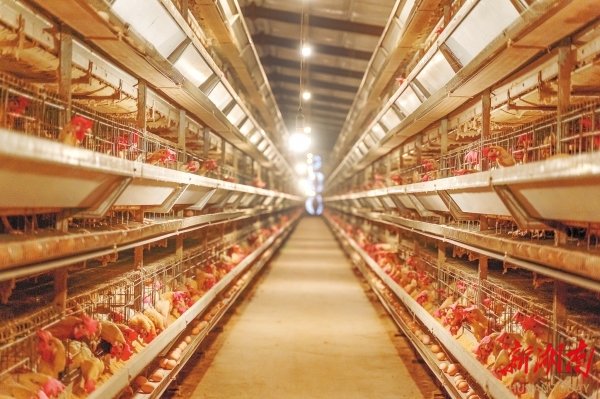
Poultry have high metabolic rates, rapid respiration, and extreme sensitivity to air quality. Their growth performance and health hinge on a stable, balanced microclimate. Deviations in key parameters can spark cascading effects:
- High temperatures → Heat stress → Reduced feed intake, increased water consumption, and slowed weight gain.
- Excess humidity → Wet litter → Higher risk of coccidiosis and footpad dermatitis.
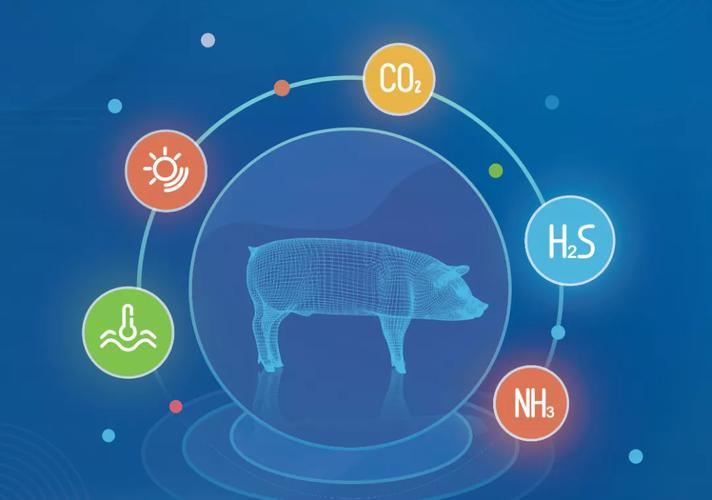
- Ammonia (NH₃) above 20 ppm → Respiratory tract irritation → Lowered immunity and increased risk of secondary infections.
- Poor ventilation causing CO₂ buildup → Reduced oxygen supply → Lower flock activity and worse feed conversion ratios (FCR).
These issues often cause irreversible losses by the time clinical symptoms appear. Real-time monitoring systems provide early warnings, shifting management from reactive fixes to proactive intervention.
A comprehensive poultry house environmental sensor network should cover the following key metrics, tailored to the type of operation (broilers, layers, or breeders):
| Parameter | Recommended Sensor Type | Application Value |
| Air Temperature | NTC thermistor or platinum resistance sensors | Maintains optimal temperature ranges for each stage (e.g., 33–35°C for broiler chicks, 21–24°C for grow-out) |
| Relative Humidity | Capacitive humidity sensors | Keeps humidity at 50%–70% to prevent wet litter or dust from dry air |
| Ammonia (NH₃) | Electrochemical or infrared sensors | Monitors concentrations to avoid chronic exposure damaging respiratory systems |
| Carbon Dioxide (CO₂) | NDIR infrared sensors | Assesses ventilation efficiency, aiding fan operation decisions |
| Static Pressure & Airflow (Optional) | Micro-differential pressure gauges, anemometers | Evaluates negative pressure ventilation systems, preventing cold drafts or oxygen-deficient zones |
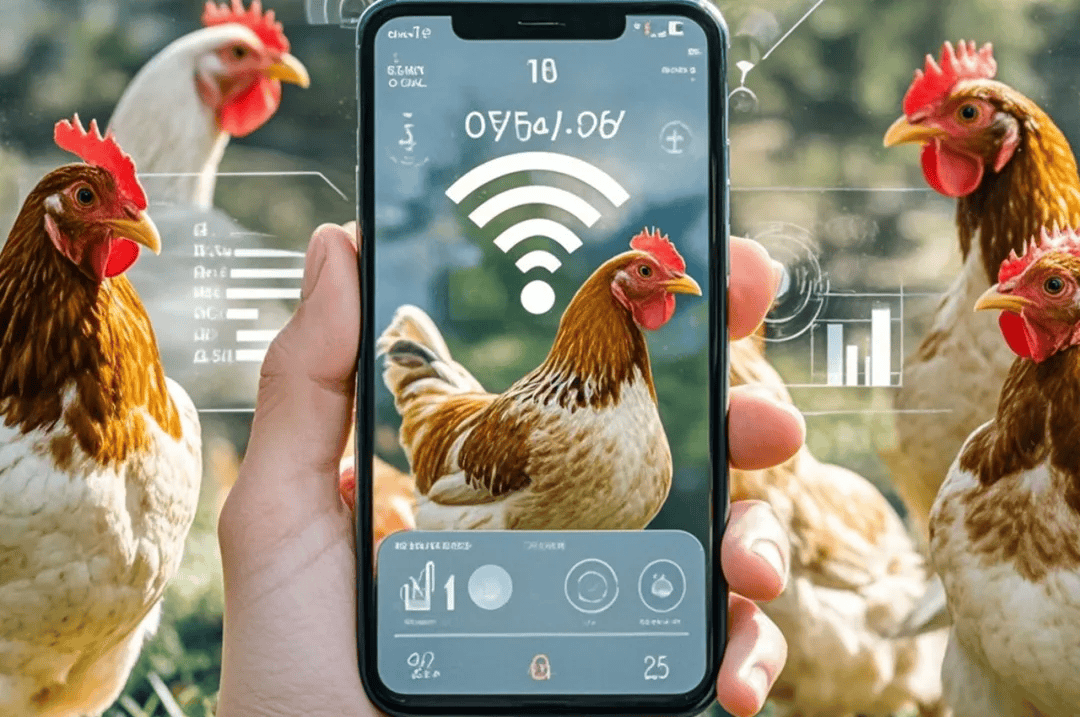
These devices typically connect via low-power wireless protocols (e.g., 4G, Wi-Fi, LoRaWAN, Zigbee, or NB-IoT), eliminating wiring hassles and suiting large, enclosed poultry houses. Data uploads every 5–15 minutes to a cloud platform, supporting remote access, historical trend analysis, and multi-house comparisons.
Sensors don’t just display numbers—they drive automated responses. We’ve helped farms implement the following key applications:
Systems analyze temperature, humidity, and NH₃ levels to automatically adjust fan speeds, wet curtain angles, or side vent openings, maintaining optimal air exchange while avoiding energy waste from over-ventilation or air quality decline from under-ventilation.
During the critical chick phase, environmental stability is paramount. Systems can set time-segmented temperature and humidity curves, linking with heaters to maintain consistent conditions during nighttime or sudden outdoor temperature drops.
Long-term data analysis identifies anomaly patterns, such as:
- Persistent nighttime CO₂ spikes → Potential ventilation system failure.
- Gradual ammonia rise → Need for improved litter management.
- Frequent temperature swings → Lagging heating or insulation response.
Advanced systems integrate machine vision, using cameras to monitor flock distribution, activity levels, or head postures, combining with environmental data to flag early issues like abnormal feeding, lameness, or cold-spot crowding.
While the technology is mature, deploying sensors in the hot, humid, dusty poultry house environment requires careful planning:
- Install sensors at bird activity height (not ceiling or floor), away from fan drafts or heater heat sources.
- Use 2–3 monitoring nodes per house, covering head, middle, and tail areas to detect microclimate variations.
- Place ammonia sensors 30–50 cm above litter to reflect actual exposure levels.
- Dust can clog sensor filters; clean monthly.
- Electrochemical sensors (e.g., NH₃) naturally degrade; calibrate quarterly.
- Check solar power systems (if used) to ensure reliable battery charge-discharge cycles.
For small to medium farms, adopt a “core parameters first, gradual expansion” strategy:
| Phase | Goal | Recommended Configuration |
| Phase 1: Basic Monitoring | Visualize critical conditions | Temperature + Humidity + Ammonia |
| Phase 2: Smart Integration | Link with fans/heaters for control | Add CO₂ + Control Modules |
| Phase 3: Advanced Analytics | Enable health alerts and optimization | Integrate video analysis, feed/water monitoring |
Initial investment varies by scale, but the focus is on building a “sense-analyze-act” management loop. Most users report reduced labor for inspections, stabilized mortality rates, and improved FCR, with ROI typically within a year.
- New Modern Poultry Houses: Opt for industrial-grade sensors with central control systems, supporting Modbus communication and SCADA integration.
- Retrofitting Older Houses: Choose wireless standalone nodes for easy installation without extensive rewiring.
- Multi-House Operations: Use unified platforms for cross-house comparisons, centralized alerts, and report generation.
With feed costs soaring, disease risks rising, and animal welfare standards tightening, environmental management is no longer a side task—it’s a core competitive edge.
Environmental monitoring sensors aren’t just “digital thermometers”; they’re the nervous system of a poultry house, making invisible air quality visible and turning instinctive decisions into data-driven ones.
If you’re running or planning a modern poultry operation, start with these questions:
- Do I know the temperature and humidity variations across my house?
- Is my ventilation strategy based on timers or actual air quality?
- Can I detect environmental risks before problems emerge?
The answers lie in the data streaming from those ever-vigilant sensors.
Предыдущая:Точное земледелие в теплицах с помощью многопараметрических датчиков
следующая:Метеостанции на кофейных плантациях: улучшение прогнозирования урожая
Связанные рекомендации
Каталог датчиков и метеостанций
 Сельскохозяйственные датчики и метеостанции Каталог-NiuBoL.pdf
Каталог метеостанций-NiuBoL.pdf
Каталог сельскохозяйственных датчиков-NiuBoL.pdf
Каталог продукции датчиков качества воды-NiuBoL.pdf
Сопутствующие товары
 Датчик потенциала воды в почве | NBL-S-WPS
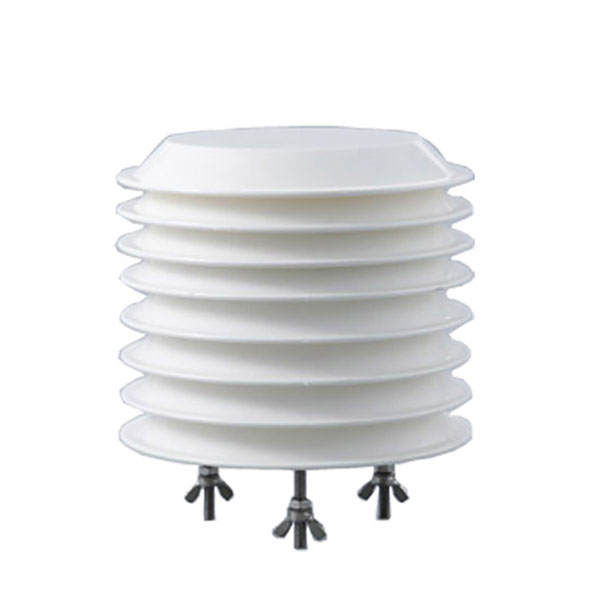 Комбинированный датчик температуры воздуха и относительной влажности
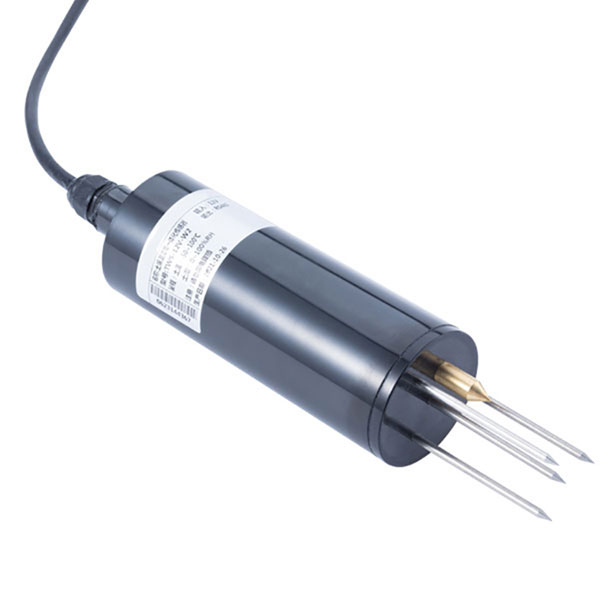 Датчик влажности и температуры почвы для орошения
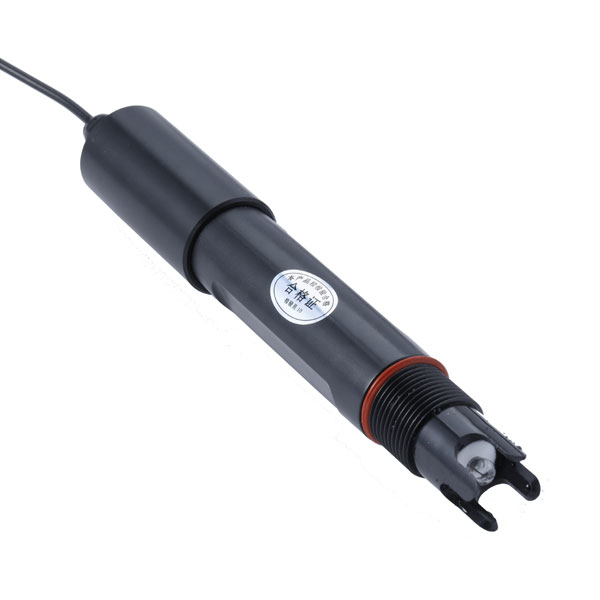 Датчик pH почвы RS485 прибор для проверки почвы измеритель pH почвы для сельского хозяйства
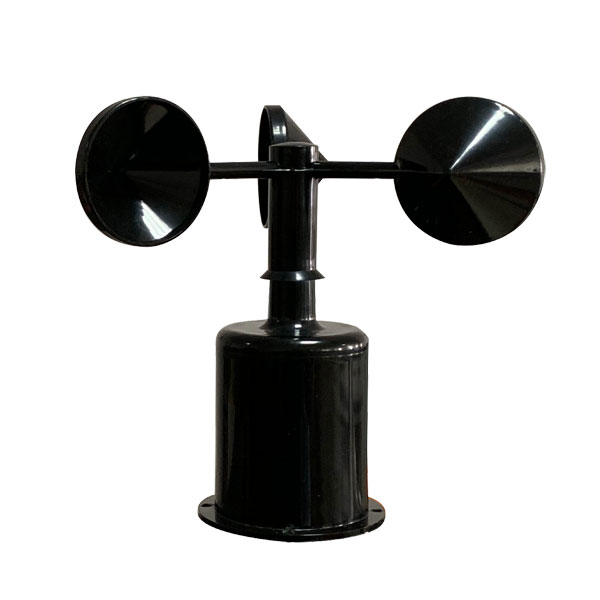 Датчик скорости ветра Выход Modbus/RS485/Аналоговый/0-5 В/4-20 мА
 Дождемер с опрокидывающимся ведром для мониторинга погоды датчик дождя RS485/наружный/нержавеющая сталь

Скриншот, WhatsApp для идентификации QR-кода
WhatsApp number:+8615367865107
(Нажмите на WhatsApp, чтобы скопировать и добавить друзей)

